
Portable Fetal Doppler: Bonding with Your Baby

For some expectant parents, hearing a baby’s heartbeat is a memorable part of a prenatal appointment. A portable fetal Doppler uses ultrasound to produce an audible signal from movement in the body. Some models are marketed for use outside a clinic, but hearing a sound or seeing a number at home is not a reliable way to confirm that a pregnancy is healthy.

How a Portable Fetal Doppler Works
The device sends ultrasound waves through a probe placed on the abdomen and processes reflected signals into sound. Depending on the model, it may display an estimated heart rate, a signal indicator or a waveform. Finding a signal can depend on gestational age, positioning, equipment and the person using it; a parent can also mistake their own pulse or other sounds for a fetal heartbeat.

Clinical Use and Home Listening Are Different
During a prenatal visit, a trained professional can use fetal heart sounds as one part of an assessment and decide whether other checks are needed. A consumer device cannot diagnose fetal distress, low oxygen, a nuchal cord or other pregnancy complications. There is no universal time of day at which a home Doppler reading can accurately establish fetal well-being.

Parents may enjoy sharing a listening moment if their care professional considers it appropriate, but home use should follow the specific device’s instructions and local requirements. A heartbeat that is hard to find does not by itself diagnose a problem; equally, hearing one does not rule a problem out. Ask your prenatal care team whether, when and how a particular device should be used.

Portable Doppler Versus Clinical Ultrasound
A handheld listener and a clinical ultrasound examination are not interchangeable. The former focuses on acquiring an audible signal or an estimated rate. Clinical assessment may use other methods and trained interpretation to answer a medical question. Convenience at home should not be confused with equivalent diagnostic information.


What to Compare When Choosing a Device
Features vary across models. Rather than treating a longer feature list as proof of medical performance, compare the stated intended use, instructions, local regulatory status and support available for the exact model.
- Display and sound: some models show an estimated rate, a signal-strength indicator or a waveform and offer a speaker or headphone output.
- Probe and handling: consider grip, probe storage, gel requirements and the instructions for positioning.
- Power and care: review the battery type, auto-off behavior, cleaning guidance and replacement parts.
- Documentation: ask for the exact product’s current specifications and market-specific compliance documents; broad claims such as “FDA certified” are not enough.


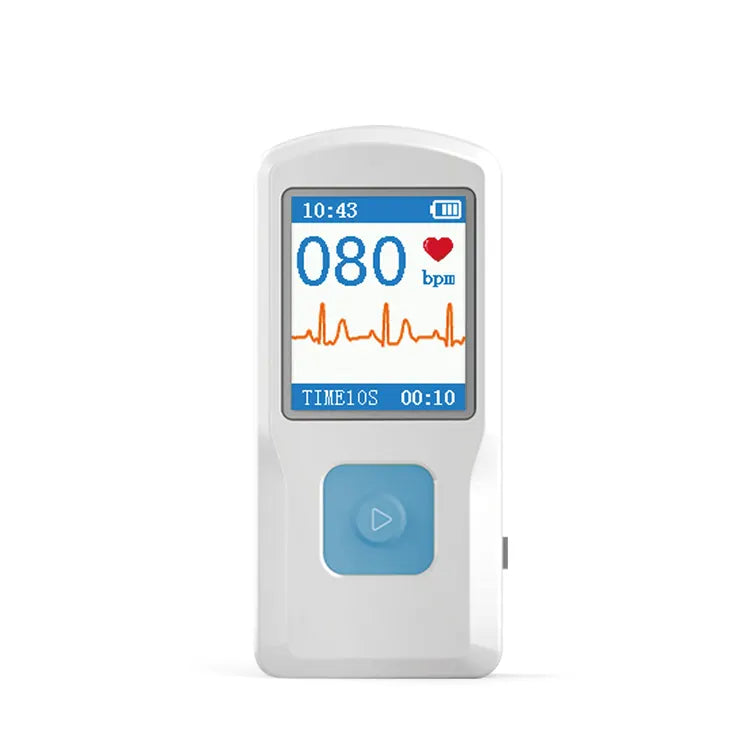
The original product overview described pocket models with a color screen, magnetic probe, sound output and auto shutoff, and another model with an LED display and signal indicator. These are features to confirm against a current product sheet, not a guarantee that every version includes them or that a displayed value establishes fetal health.

Following the Device Instructions


If your care professional advises use, read the manual for the specific model before switching it on. Follow its directions for compatible gel, probe placement, duration, volume and shutdown. Do not assume that a screen value or a familiar sound has been identified correctly without clinical interpretation.
Care, Cleaning and Storage
Power off the device before cleaning, remove residual gel and follow the manufacturer’s approved cleaning and disinfection instructions for the probe and housing. Inspect the probe and cable for damage before use, and store the unit as directed. Do not apply a particular disinfectant to every model without checking material compatibility in its manual.
Questions for Wholesale Buyers
Before ordering, confirm model and variant, minimum order quantity, sample availability, delivery estimate, packaging specifications, branding options and payment terms. Request documents for the exact device and destination market rather than relying on a general CE, ISO or FDA statement. The dimensions and lead times in the original article were examples and should be reconfirmed in a current quotation.
For product and wholesale questions, contact MedAsia at info@medasiagroup.com. For pregnancy concerns, contact your prenatal care team instead of relying on a home Doppler reading.
WE RECOMMEND


Related posts


- Subscribe MedInsights
- Subscribe MedInsights
- Subscribe MedInsights
- Subscribe MedInsights
- Subscribe MedInsights