
Portable Mesh Nebulizer: What Are Its Advantages?

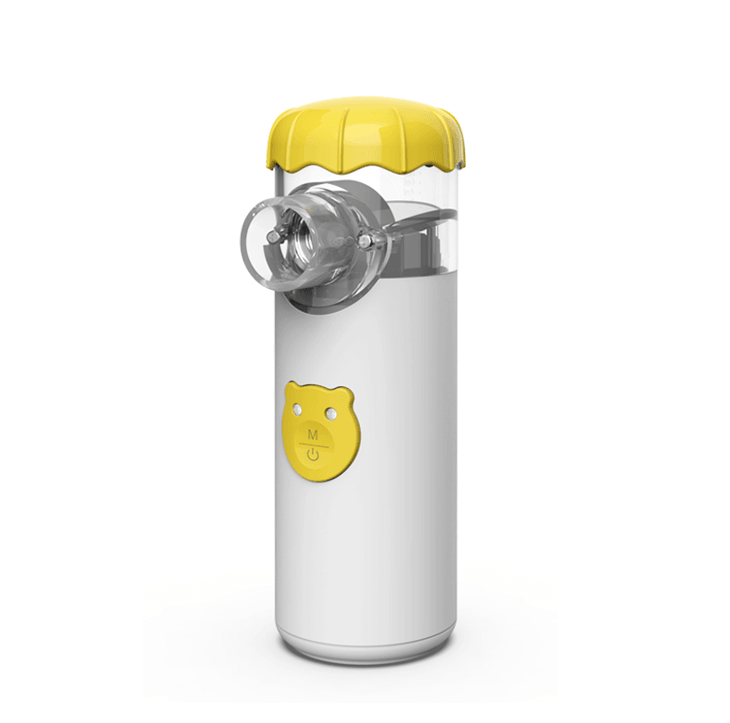
A portable mesh nebulizer turns suitable liquid medication into a mist that can be inhaled through a mask or mouthpiece. Its compact size may make prescribed treatments easier to fit into daily life. Whether it is the right device depends on the medicine, the patient and the instructions from a healthcare professional.

Respiratory Care Starts With a Treatment Plan
Asthma and chronic obstructive pulmonary disease (COPD) can cause symptoms such as wheezing, coughing or breathlessness. Their causes and treatments differ, and a nebulizer is not needed for everyone. A clinician may recommend one when a particular inhaled medicine and delivery method suit the person’s needs. The device delivers medication; it does not cure asthma, COPD or respiratory infections.


How a Nebulizer Works
A nebulizer creates an aerosol from a liquid formulation for inhalation. A compressor or jet nebulizer uses airflow; a mesh nebulizer moves liquid through a fine vibrating mesh. Both approaches can be useful, but medication compatibility, cleaning and the intended user matter more than choosing the newest technology.
The original article discussed use in asthma, COPD and other respiratory conditions. A clinician should decide whether nebulized treatment is appropriate, particularly for children or people with complex medical needs.
Mesh Versus Compressor Nebulizers

- Mesh nebulizer: often compact and quieter, which can help with travel or treatments away from a desk. The mesh and medication cup require careful cleaning, and not every formulation is suitable.
- Compressor nebulizer: uses a compressor and tubing, often making it larger and noisier. It may suit different medicine or care requirements depending on the model.
Neither type is universally better. Ask which device is compatible with the prescribed medicine and compare treatment time, replacement parts, noise, power source and cleaning instructions for the exact models.
Portable Mesh Nebulizer Features

The version described in the original article highlighted a rechargeable design, one-button operation and low-water automatic shutoff. These features can simplify carrying and handling the unit, but dimensions, battery life, aerosol output and included accessories should be confirmed against the current model specification. Small aerosol particles alone do not prove that a particular treatment is suitable or effective.
- Portability: compare weight, storage case and charging method.
- Everyday operation: check controls, mask or mouthpiece fit and whether a low-liquid indicator or shutoff is included.
- Maintenance: review how to clean the mesh, medication cup and accessories and when parts need replacement.
- Documentation: request instructions and the exact product’s applicable compliance documents for your market.

Using and Cleaning the Device

Follow the clinician’s instructions for the medication and dose, and the manufacturer’s instructions for assembling the cup, attaching the mask or mouthpiece and operating the unit. After treatment, dispose of remaining medicine and clean and dry the components as the device manual directs. Do not mix medicines or use oils, tap-water remedies or other liquids unless the relevant medical and device instructions specifically permit them.

Questions for Wholesale Buyers
For an order or OEM enquiry, confirm model, minimum quantity, samples, branding options, delivery estimate, packaging and payment terms with the team. The older article listed example package contents and lead time, but these can vary by model and order. Request the current product sheet and destination-market documents rather than relying on a general list of certificates.
For current product details, contact MedAsia. For OEM enquiries, the original article listed insights@medasiagroup.com. Questions about which medicine or device to use belong with a healthcare professional.
WE RECOMMEND


Related posts


- Subscribe MedInsights
- Subscribe MedInsights
- Subscribe MedInsights
- Subscribe MedInsights
- Subscribe MedInsights