
Top 4 Popular Medical Wearables

Medical wearables can collect health-related measurements outside a clinic, but their capabilities vary by device. This article, originally framed around the UN Decade of Healthy Ageing (2021–2030), looks at four types of monitoring products and the practical challenges of using wearable data in care and research.
Four Medical Wearables and Monitoring Devices
1. Blood Pressure Smartwatch

The original article describes a watch with an inflatable cuff for blood pressure readings, alongside sleep, workout and activity tracking. These are device-specific features, not capabilities of every smartwatch; buyers should confirm the specifications and intended use of the particular model.
2. Continuous Glucose Monitor

Continuous glucose monitoring can record glucose trends over time and display them in an app or report. Depending on the system, data-sharing features may allow a user to share information with a caregiver or clinician. Buyers should check the specific device’s instructions, compatibility and intended users rather than assuming every system offers the same functions.
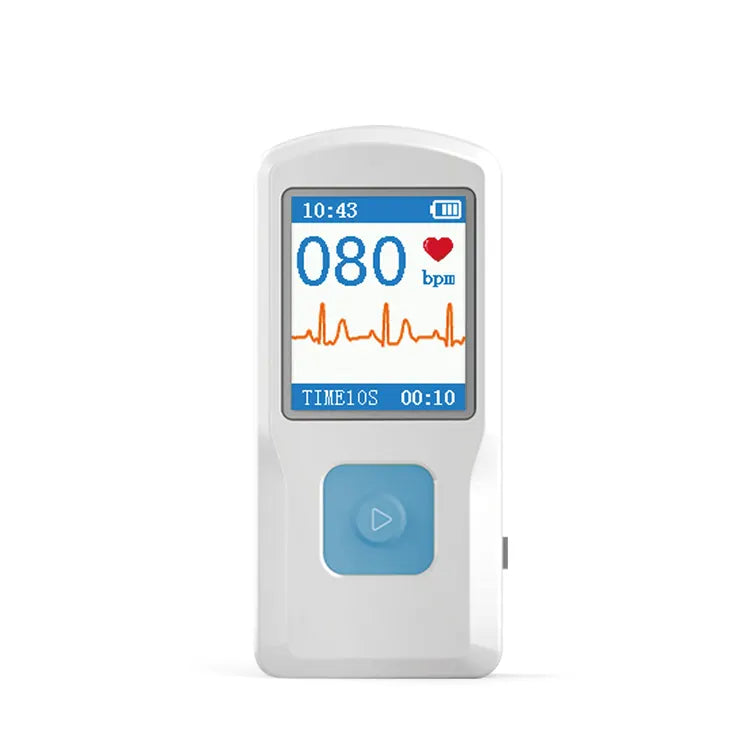
3. Portable ECG Monitor

A portable ECG monitor can record heart rhythm information outside a clinical appointment. Storage, app connectivity and data-sharing options depend on the model. An ECG reading should be interpreted in its clinical context; a device should not be described as preventing cardiovascular disease or replacing medical advice.
4. All-in-One Arm Blood Pressure Monitor

The original article highlights a compact upper-arm monitor with systolic, diastolic and pulse readings, and describes Bluetooth connectivity. Before relying on those details for a specific product, confirm its current specifications, cuff design and app support.
Why Wearables Matter for Remote Monitoring
A clinic visit captures measurements over a limited period. Some wearable and portable devices can collect information during everyday life, which may help clinicians and researchers see patterns that a single visit misses. This does not mean that remote readings are always more accurate or that a device can replace an examination.

Advances in Healthcare Research
Wearables can reduce the need for some in-person data-collection visits and support longer observation periods. Researchers also study how information from personal digital devices can be combined to describe an individual’s health over time, sometimes called digital phenotyping. Ideas such as digital twins remain research topics rather than standard capabilities of the products pictured above.
The original article cites an analysis by Masanneck and colleagues of trials registered on ClinicalTrials.gov, reporting an increase in the relative frequency of wearable use from 0.7% in 2010 to 11.4% in 2020. It also cites a Kaiser Associates projection that wearable sensors could be used in up to 70% of clinical care by 2025. These are historical claims from the original article; their sources and definitions should be checked before either figure is reused as a current fact.
Access and Data Quality Challenges

Remote participation can reduce travel for some patients and research participants. It can also exclude people without reliable internet access, compatible devices or confidence using digital tools. The original article refers to the Lancet and Financial Times Commission’s work on governing digital health futures as context for equitable access.

Participant Verification and Reliable Measurements
In virtual research, teams need to know whether data came from the intended participant and whether the device was worn and used correctly. A misplaced sensor, environmental effects or gaps when a device is not worn can reduce data quality. Biometric and pattern-based authentication are areas of research, but privacy and usability also need consideration.
Looking Ahead
Wearables may make some health measurements more convenient and help support remote follow-up. Their value depends on the device, the quality of the readings and how the information is used by qualified professionals. For OEM enquiries about medical wearables, contact info@medasiagroup.com.
WE RECOMMEND


Related posts


- Subscribe MedInsights
- Subscribe MedInsights
- Subscribe MedInsights
- Subscribe MedInsights
- Subscribe MedInsights