
EU MDR Transition Extension: What the 2027–2028 Deadlines Mean

In 2023, the EU extended certain transitional provisions under the Medical Device Regulation (MDR) to reduce the risk of device shortages while manufacturers and notified bodies worked through the move to the new framework. This article explains the extension discussed at the time, including the 2027 and 2028 dates. The MDR itself was not postponed, and a deadline is not automatic permission to market a device.

What Does the MDR Aim to Improve for Patients?
The MDR, applicable since May 2021, strengthens requirements across a device’s lifecycle. The original article highlighted stronger oversight of notified bodies, clinical evidence, post-market surveillance and coordination on vigilance. It also discussed traceability through unique device identification (UDI), implant information for patients and transparency through the EU medical-device database.
- Greater scrutiny and clinical-evidence expectations for relevant devices.
- Stronger oversight of conformity-assessment bodies and manufacturer responsibilities.
- Improved traceability, patient information and post-market follow-up.
The original article also noted that some aesthetic products with comparable characteristics and risk profiles fall within the regulation’s scope, and discussed measures concerning compensation for harm from defective devices. These points are a general overview, not a device-specific compliance determination.

Why Was the Transition Extended?
As explained in the original 2023 article, limited notified-body capacity and manufacturers’ readiness raised concerns about disruption to the supply of medical devices. The extension gave eligible legacy devices more time to transition, subject to conditions intended to maintain oversight and safety. It did not waive MDR obligations for all devices.
Which dates were discussed?
The 2023 extension set different outer dates for different device categories: December 2027 for certain higher-risk legacy devices and December 2028 for certain other eligible devices. The original article also discussed a separate May 26, 2026 date for class III custom-made implantable devices, subject to its own application and agreement conditions. These dates are not interchangeable; verify the category and current rules for the specific device.
Was the entire MDR delayed?
No. The MDR began applying in May 2021. The change concerned transitional arrangements for qualifying products, not a general postponement of the regulation or its requirements.

Which Legacy Devices Could Qualify?
The original article described an extension for qualifying legacy devices covered by certificates or declarations of conformity under the earlier directives, subject to cumulative conditions. These included continued safety and steps toward MDR conformity assessment. For the class III custom-made implantable route, it cited an application deadline of May 26, 2024 and a notified-body agreement deadline of September 26, 2024. Those historical dates have passed; do not assume that a product qualifies without checking its documentation and current rules.
What happened to the “sell-off” date?
The 2023 changes also addressed the former “sell-off” date for devices already placed on the market but not yet made available to end users. Removing that deadline was intended to avoid unnecessary disposal and supply disruption. It did not extend a product’s shelf life or remove applicable surveillance and vigilance obligations.

Planning an MDR Transition
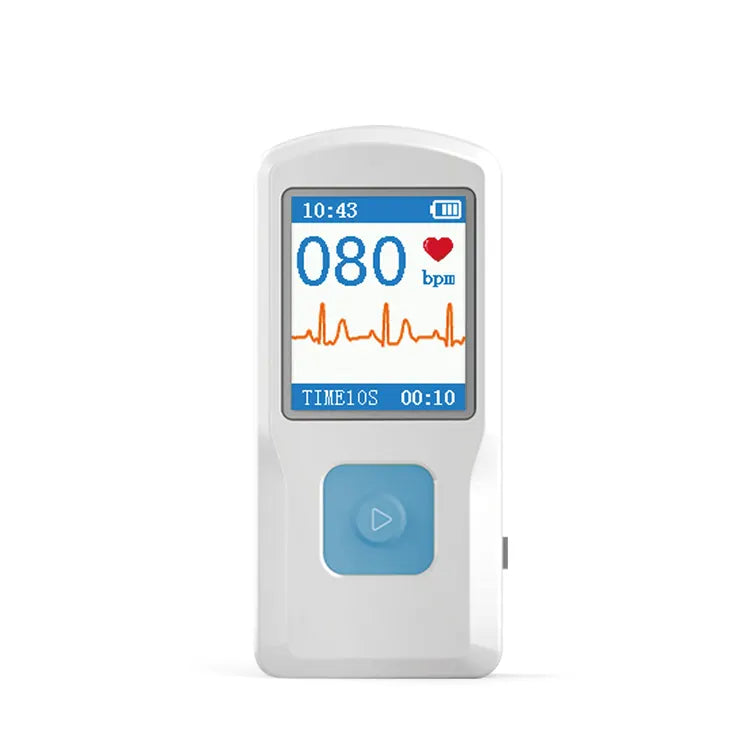
Manufacturers should confirm device classification, certificate status, applicable conditions, notified-body arrangements and post-market responsibilities for each product. No supplier can secure MDR certification merely by describing a product as “future-proof.” Explore MedAsia’s blood pressure monitors as product examples, but assess each device and its documentation separately.

For OEM enquiries about homecare products, contact info@medasiagroup.com. Product-specific conformity and certification claims require supporting evidence. Image credit in the original article: stock.adobe.com.
WE RECOMMEND



Related posts


- Subscribe MedInsights
- Subscribe MedInsights
- Subscribe MedInsights
- Subscribe MedInsights
- Subscribe MedInsights