
Latest Compliance Insights for Medical Industry

As the EU Medical Device Regulation (MDR) and In Vitro Diagnostic Regulation (IVDR) enter key enforcement stages, scrutiny of CE certification continues to increase. This guide summarizes the latest CE certification and environmental regulation updates for medical devices as of 2024–2025, and what importers can do to navigate them.

CE Certification Updates Importers Must Know
1. IVDR Transition Period Extended to 2027–2029
To ease market pressure, Regulation (EU) 2024/1860 allows certain in vitro diagnostic devices to remain on the market under the old directive (IVDD) until 2027–2029, depending on product class.
Recommendation: Check whether suppliers have contracts with Notified Bodies and valid extension eligibility. Prioritize products still covered by the transition period.
2. Full Launch of the EUDAMED Database
EUDAMED is gradually becoming the single regulatory platform for product data, including UDI, economic operators, certificates, and clinical data. Full mandatory implementation was expected from 2025.
Recommendation: Ask suppliers for their SRN registration numbers and related EUDAMED information to support cross-border sales, customs clearance, and after-sales service.
3. Ongoing Updates to Technical Documentation
Manufacturers must promptly update technical files and submit changes to Notified Bodies for any change in design, materials, labeling, or performance.
Recommendation: Regularly obtain the latest Instructions for Use (IFU), Declarations of Conformity (DoC), and change records to keep products audit-ready.
4. Major Changes Must Be Reported in Advance
Changes such as material or process modifications must be reported to the EU Authorized Representative, Notified Body, and relevant authorities in advance. Otherwise, sales may be considered non-compliant.
Recommendation: Set up internal monitoring and request a compliance report from suppliers for every change to reduce market access risk.
5. More Frequent Surveillance for High-Risk Products
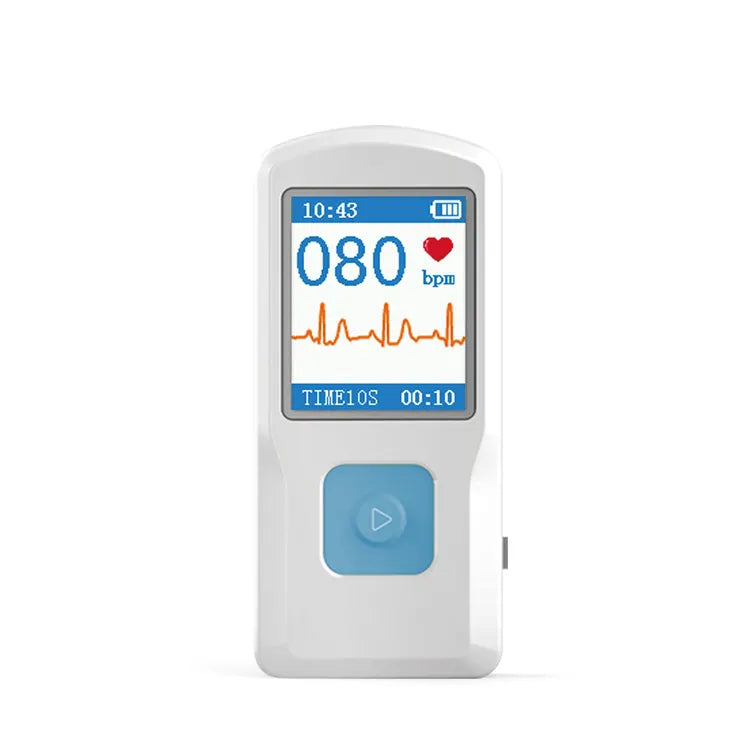
Notified Bodies such as TÜV and DEKRA conduct comprehensive annual reviews of high-risk devices, such as ECG monitors and glucose monitoring devices.
Recommendation: Request annual audit reports or third-party GMP inspection records from suppliers to confirm ongoing compliance.
6. UKCA Marking in the UK Market
Following Brexit, the UK is moving from CE marking to the UKCA mark. CE-marked devices can continue to be sold in the UK during transition periods (see the UKCA section below for details).
Recommendation: UK importers should plan to source UKCA-marked products and verify each supplier's UK Responsible Person (UKRP) registration and UKCA certification status in advance.
Environmental Regulation Updates: Green Compliance as a New Threshold

As part of Europe's green transition strategy, home medical devices face stricter environmental rules. Key updates affecting export compliance include:
1. RoHS Directive Update
Exemptions for lead and cadmium in PVC have been extended, but material safety requirements continue to tighten.
Recommendation: Suppliers should update RoHS test reports and make sure devices are free of newly restricted substances, especially in housings made from recycled materials.
2. REACH Restriction on PFHxA
Perfluorohexanoic acid (PFHxA), widely used in oil- and water-repellent treatments, is now restricted. Violations can lead to severe environmental penalties.
Recommendation: Request raw material Safety Data Sheets (SDS) and REACH compliance declarations, and prefer fluorine-free packaging and contact materials.
3. ESPR Ecodesign Regulation Adopted
The Ecodesign for Sustainable Products Regulation (ESPR) will require products on the market to have low carbon footprints and be repairable and recyclable.
Recommendation: Prioritize products with green labels and reusable structures, such as test pens with replaceable cores.
4. Packaging and Packaging Waste Regulation (PPWR)
From 2030, all EU packaging must be technically recyclable, with minimal use of composite materials.
Recommendation: Encourage suppliers to use single-material packaging, such as PET boxes or paper trays, and promote eco-friendly packaging as a selling point.
International Alignment and Transition Policies

1. United Kingdom (UKCA)
After Brexit, the UKCA mark is replacing CE marking. However, the UK government allows many CE-certified devices to continue to be sold during transition periods:
- General medical devices (MDD/AIMDD): until June 30, 2028, or certificate expiry
- IVDs (IVDD): until June 30, 2030
- MDR/IVDR-compliant products: until June 30, 2030
As of May 2024, the UK was also exploring partial recognition of approvals from the EU, U.S., Australia, and Canada.
Recommendation: Complete UKCA preparations: appoint a UK Responsible Person, prepare technical files, register labeling, and plan for UK Approved Body certification.
2. United States
The U.S. FDA does not recognize the EU CE mark. Medical devices must obtain FDA clearance or approval, such as 510(k) or PMA, before being marketed in the U.S.
Recommendation: Prepare FDA submissions separately. The FDA accepts some international standards, such as ISO 13485, as part of compliance, but full adherence to U.S. law is required.
3. Australia
Australia's TGA uses a phased approach that allows partial use of CE certification for registration. By the end of 2024, the TGA had extended transition periods for IVDD devices registered with CE certificates to 2028–2030, depending on class. New rules allow Class 2 and 3 IVDs to use IVDD self-declarations instead of ISO 13485 certificates.
Recommendation: Monitor TGA announcements and provide the correct CE certificates or declarations during ARTG registration, in line with IVDR Article 110(3c).
Read Next
Continue with Part 2: What Medical Importers Must Do to Stay Ahead in the Regulatory Landscape
About MedAsia
With 13 years of industry experience, MedAsia stays up to date with the latest medical industry trends and regulations. For more detailed insights, visit our contact page or email info@medasiagroup.com.
References
- European Commission, Latest MDR/IVDR Amendments, 2024.
- UK MHRA, UKCA Mark Guidance, 2024.
- TÜV SÜD, MDR Surveillance Whitepaper, 2024.
- European Chemicals Agency (ECHA), REACH and RoHS Updates, 2024.
- European Environment Agency, RoHS Amendment, 2024.
- European Commission, ESPR Policy, 2024.
- EU Packaging Regulation (PPWR) Proposal, 2023.
- FDA, CE Mark Recognition Policy, 2024.
- Brazil ANVISA, Medical Device Regulatory Updates, 2024.
- ISO 13485 Medical Devices Quality Management System, 2016.
- SGS Group, Medical Device Market Compliance Whitepaper, 2024.
WE RECOMMEND



Related posts


- Subscribe MedInsights
- Subscribe MedInsights
- Subscribe MedInsights
- Subscribe MedInsights
- Subscribe MedInsights