
Technological Innovation in the Medical Device Industry: 2024 Overview

In 2024, medical-device developers were exploring how artificial intelligence (AI), wearable sensors and newer diagnostic tools could support healthcare. Each area offered possibilities, but a useful product still needed evidence, appropriate regulatory review and a fit with clinical workflows. This overview looks at the technologies that drew attention that year and the questions behind their adoption.

1. AI and Machine Learning in Medical Devices
AI can help process complex information, from medical images to measurements collected over time. In diagnostics, developers study whether software can identify patterns that warrant a clinician’s review. Its performance depends on the intended use, training and validation data, and how the tool works in real clinical settings.
AI-assisted wearables may also analyze repeated measurements to highlight trends. An alert is not a diagnosis; users and care teams need to understand what a device measures, its limitations and what action a result should prompt.

2. Wearable Medical Devices
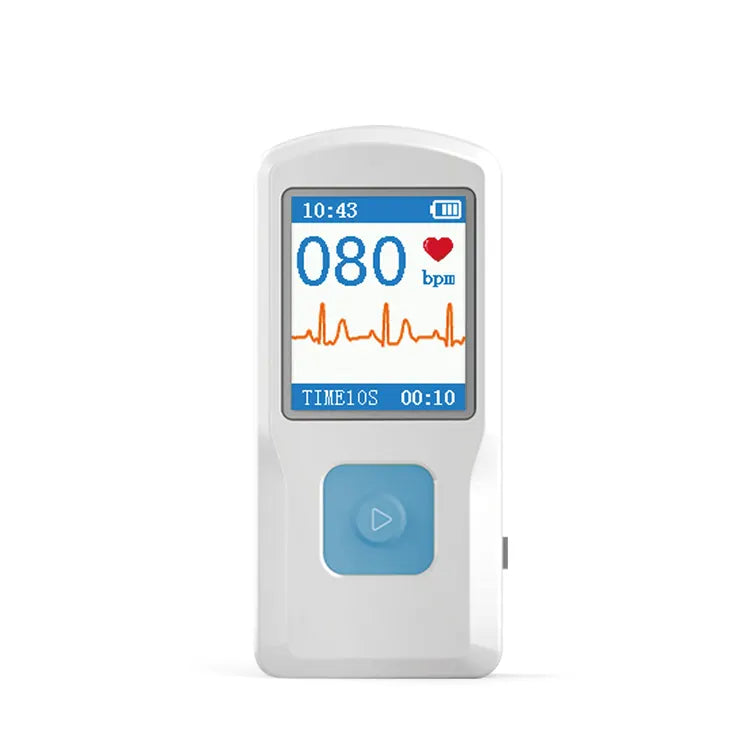
Wearables can collect health-related data outside a clinic, potentially showing changes between appointments. Capabilities differ: a device that tracks activity does not necessarily measure glucose or record an ECG. Some portable ECG monitors can record heart rhythm information, but interpretation and follow-up should match the device’s intended use and a clinician’s advice.
For chronic-condition management, useful questions include how readings are captured, how often data is missing, whether the device is comfortable to wear and whether the information can be shared securely with a care team.

3. Advances in Diagnostics
Molecular diagnostics and research into blood-based testing attracted attention in 2024. Some methods may help investigate disease using smaller or less invasive samples, but performance depends on the specific test and clinical setting. A liquid biopsy, for example, should not be described as a general replacement for a tissue biopsy.
Home health tests and point-of-care testing products represent a different part of the diagnostic landscape. They can make certain measurements more accessible when used as intended, but a fast result still requires appropriate quality control and interpretation.

4. Emerging Research and New Companies
Startups were also exploring tools for faster sepsis assessment and treatments for abnormal heart rhythms. Rapid sepsis testing may help clinicians gather information sooner, but treatment decisions depend on the full clinical picture. Pulsed field ablation was another area of development for selected heart rhythm conditions; its benefits and risks must be evaluated for the specific procedure and patient.

5. Challenges Beyond the Prototype
Technical promise alone does not bring a medical device into routine care. Developers need evidence of safety and performance, a suitable regulatory path, secure handling of patient data and a plan for maintaining connected software. Cost, training and access also affect whether a device is practical for patients and clinicians.

Looking Back at 2024
AI, wearables and new diagnostic methods broadened the conversation about medical devices in 2024. Their long-term value depends less on a technology label than on reliable measurements, evidence, accessibility and thoughtful use in care.
WE RECOMMEND



Related posts


- Subscribe MedInsights
- Subscribe MedInsights
- Subscribe MedInsights
- Subscribe MedInsights
- Subscribe MedInsights