
Private Label Medical Devices for Amazon FBA: A Sourcing & Compliance Guide for Sellers


Reviewing product paperwork before preparing inventory for shipment.
Health & Household is one of Amazon's most profitable private label categories — 2026 benchmarks put net margins at 22–30% after the full FBA fee stack, well above Electronics (8–15%) and Apparel (6–14%). But it is also one of the most gated. Amazon enforces FDA documentation on every medical device listing, and in January 2026 it eliminated its own FBA prep and labeling services — shifting compliance workload directly onto sellers. If you're evaluating home health test kits, mesh nebulizers, or point-of-care monitors as your next private label line, this guide covers what Amazon requires, what the numbers look like, and how to source inventory that survives both FDA scrutiny and Amazon's algorithm.
Why sellers enter this category: private label sellers earn roughly 2.3× more monthly profit than wholesale sellers at comparable revenue, because owning the brand means owning pricing control (High Dreams LLC, 2026). Health & personal care sits in the 20–30% net margin band — among the top three Amazon categories.
1. Amazon's Medical Device Rules: What You Need Before You Can List
Amazon applies FDA requirements as a listing gate. Per Seller Central's medical devices policy, before a device goes live you need:
- FDA establishment registration + device listing. The manufacturing facility must be registered with FDA and your specific device must appear in the FDA establishment registration and device listing database. Amazon checks both.
- 510(k) clearance for Class I/II non-exempt devices. Most Class I devices are exempt, but Class II products — pulse oximeters, digital thermometers, many OTC test kits — require a cleared 510(k) number.
- PMA for Class III. Ventilators, defibrillators and other life-sustaining devices need Premarket Approval. Prescription devices are banned from FBA entirely — Amazon disposes of Rx inventory sent to fulfillment centers, at the seller's expense.
- Clean enforcement history. Devices under an unresolved FDA Warning Letter cannot be listed.

FDA terminology comparison: registered, cleared, and approved.
2. Where the Private Label Opportunity Actually Is
Not every medical device is a realistic Amazon play for a new seller. The sweet spot balances demand, margin, and regulatory lift:
- Low regulatory lift (Class I, mostly 510(k)-exempt): ice/heat packs, bandages, pill organizers, mobility supports. Easy ungating, but price competition is heavy.
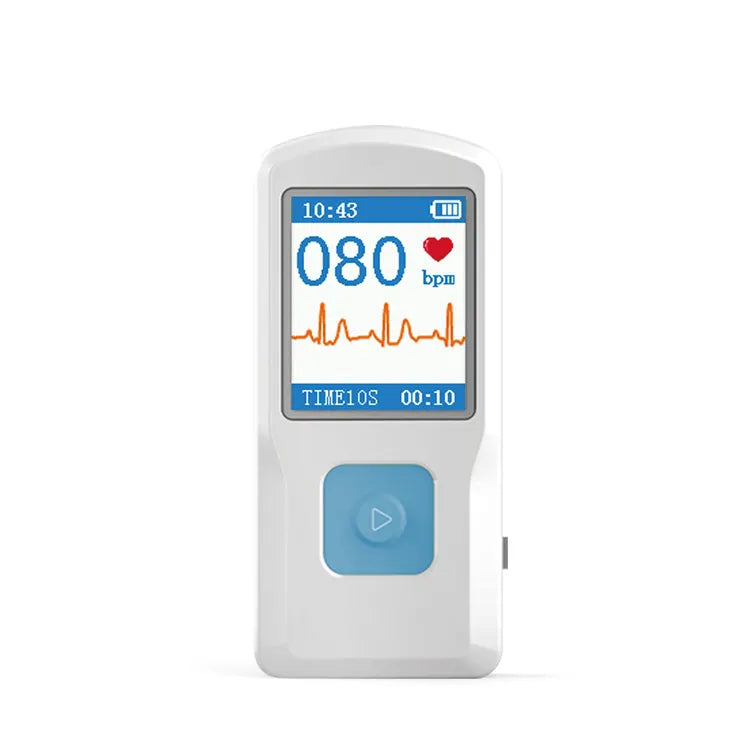
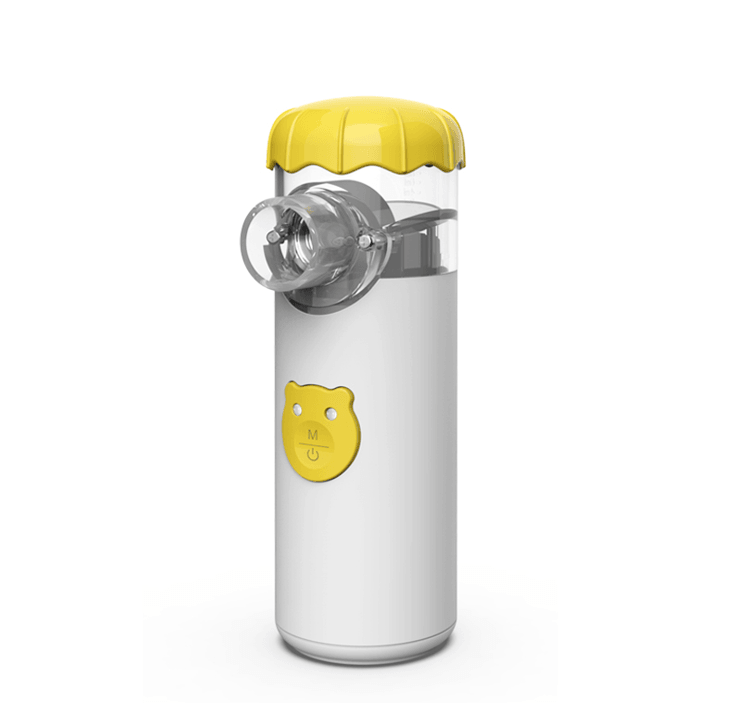
- Mid lift, high margin (Class II with existing 510(k)): mesh nebulizers, pulse oximeters, TENS units, digital thermometers. This is where most successful private label sellers operate — the OEM already holds or can support the 510(k), and unit economics support a $25–$60 retail price.
- OTC test kits (Class II, product code–specific): pregnancy, ovulation, and similar rapid tests have established predicates and repeat-purchase behavior. Amazon applies extra seller authorization rules to some diagnostics (e.g., one authorized seller per COVID test brand), so verify category rules before committing.

Since January 2026, prep and labeling are the seller's job — build them into your sourcing agreement
3. Private Label vs. Wholesale for the Medical Category
Wholesale reselling existing brands is faster to start but structurally capped: no pricing control, no Brand Registry benefits, and margin compression every time the brand owner discount changes. Private label costs more upfront — typical startup budgets run $2,500–$10,000 including samples, certification documentation, and first inventory — but the economics compound in your favor.

Private label and wholesale compared across ownership, order quantities, compliance, and margins.
Listing killers: Amazon's algorithm auto-removes listings that use the FDA logo in images, claim "FDA approved" for a merely cleared or registered device, or make disease-treatment claims. FDA detention data shows the most common import refusals are "NO 510(K)", "NOT LISTED", and "DEVICE GMP" — all three are verifiable before you ship. Get the paperwork right at the factory, not at the port.

Warehouse inventory storage and fulfillment.
4. The Sourcing Workflow: From Quote to FBA-Ready Inventory
With Amazon no longer providing prep services, your supplier must deliver retail-ready, FBA-compliant inventory. We recommend this five-step sequence:
- Shortlist OEMs with device-specific certification. Verify FDA establishment registration and the device listing in the FURLS database, and confirm the 510(k) K-number matches your exact model — not a "similar" one.
- Order branded samples, not catalog samples. Test your actual logo, packaging insert, IFU (instructions for use), and English labeling — all of which Amazon requires photos of during category approval.
- Lock the compliance dossier into the contract. 510(k) letter, FDA registration confirmation, ISO 13485 certificate, lot CoAs, and sterilization validation where applicable. This dossier is what you submit for Amazon ungating.
- Specify FBA prep in the PO according to Amazon’s FBA packaging, prep, and labeling requirements. FNSKU labeling on every unit, poly-bagging with suffocation warnings where required, carton weight limits (≤50 lb), and box content information. With Amazon's prep service gone, a factory that can't do this costs you a third-party prep middleman.
- Pilot 500–1,000 units before scaling. Validate sell-through and review velocity, then scale to the 2,000–5,000 unit price breaks.
Margin discipline: apply the 2026 "30% rule" — if modeled net margin after referral fees, FBA fulfillment, the 3.5% fuel surcharge, storage, PPC, and returns falls below 30%, optimize COGS or walk. In Marketplace Pulse's 2026 Seller Index, 47% of sellers reported YoY margin decline, with 49% naming fees as the main driver. Your COGS negotiation with the OEM is the one lever Amazon doesn't control.

Nebulizer and retail packaging prepared beside shipping materials.
5. How MedAsia Supports Amazon Sellers
MedAsia Healthcare has spent 15+ years building a network of 500+ audited factories across home diagnostics, respiratory care, and point-of-care monitoring — with dedicated support for marketplace sellers:
- Compliance dossier per lot: FDA registration and listing confirmation, 510(k) documentation, ISO 13485 certificates, and CoAs — formatted for Amazon category approval submissions.
- Private label MOQs from 500 units on existing platforms, with logo printing, retail packaging, and English IFU included.
- FBA-ready prep: FNSKU labeling, suffocation-warning polybags, carton spec compliance, and direct shipping to US fulfillment centers.
- Pre-shipment inspection (PSI) on every order through SGS, TÜV, or QIMA partners — because an Amazon return wave caused by a defective lot is far more expensive than an inspection fee.
See our supplier verification process and case studies for how we've supported brands from first sample to repeat container orders.
Ready to Launch a Private Label Medical Device Line on Amazon?
Tell us your target product and monthly volume. We'll send OEM options, MOQ pricing, and the compliance checklist within 24 hours.
Get a Free Quote Talk to Our TeamNOUS RECOMMANDONS


Articles connexes


- Abonnez-vous à MedInsights
- Abonnez-vous à MedInsights
- Abonnez-vous à MedInsights
- Abonnez-vous à MedInsights
- Abonnez-vous à MedInsights