
Home Healthcare with Hemoglobin Meters

Hemoglobin meters make it possible to check hemoglobin levels at home, helping people spot anemia early and track their health between clinic visits. This article explains what anemia is, how hemoglobin meters work, and which groups benefit most from home hemoglobin testing.
What Is Anemia and Why Does It Matter?
Anemia is the most common blood disorder, affecting about 25% of the global population. It occurs when the body has fewer red blood cells than normal, or when those cells contain less hemoglobin.
Hemoglobin carries oxygen. When red blood cells or hemoglobin are insufficient, less oxygen reaches the body's tissues, causing symptoms such as fatigue, weakness, dizziness, and shortness of breath.

Healthcare is shifting toward more personalized and accessible solutions, and hemoglobin meters are part of that change. Once limited to clinical settings, these devices now let people monitor their health at home, supporting early detection and better day-to-day health management.
Understanding Hemoglobin Meters
Hemoglobin meters are compact medical devices that measure the hemoglobin concentration in a person's blood.
Because hemoglobin transports oxygen throughout the body, its level is an important indicator of overall health.
Who Needs a Hemoglobin Meter?
Hemoglobin meters are useful well beyond people already diagnosed with anemia. The groups below can benefit in particular.
Pregnant Women
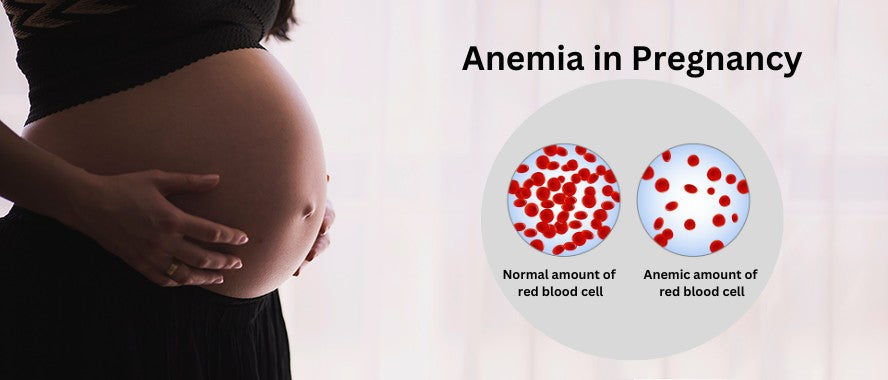
Anemia is a particular concern during pregnancy. Hemoglobin carries oxygen to the mother's cells and to the developing baby, and low levels can cause fatigue, weakness, and potentially harmful complications for both.
Hemoglobin is usually tested at the first prenatal visit and at regular intervals afterward. This matters because pregnancy itself changes blood volume and hemoglobin levels.
Anemia during pregnancy can increase the risk of preterm birth and low birth weight. Home monitoring helps expectant mothers keep a close eye on their levels and supports a healthier pregnancy.
People Preparing for Plastic Surgery

Hemoglobin testing is not required for every procedure, but it plays an important role in the safety and success of certain plastic surgeries.
A key reason is to detect anemia, which can affect how well a patient heals. It can lead to delayed wound healing, higher infection risk, and longer recovery. Identifying anemia beforehand lets surgeons take precautions or consider alternative treatments.
Hemoglobin testing is also part of the standard pre-operative assessment. A healthy level shows the body can transport oxygen efficiently, which is essential for safe surgery and recovery.
Blood Donors

Hemoglobin level is a key criterion for blood donation because it reflects a donor's ability to give enough healthy blood.
Regular donation can temporarily lower hemoglobin levels. Hemoglobin meters help healthcare professionals confirm that frequent donors stay within a safe range and avoid problems such as fatigue and weakness.
Seniors

Many seniors live with chronic conditions such as diabetes, kidney disease, or heart disease, which can affect hemoglobin levels and lead to anemia. Some commonly prescribed medications can also affect hemoglobin.
Regular testing helps healthcare providers track these effects and adjust treatment when needed. Home hemoglobin meters give seniors a simple way to share useful data with their providers and manage chronic conditions more effectively.
Malnourished Children

Malnutrition still affects millions of children worldwide. It can take several forms, including undernutrition, overnutrition, and micronutrient deficiencies.
Undernutrition in particular can cause anemia, with serious consequences for a child's growth, development, and overall well-being.
Hemoglobin meters help diagnose anemia and track progress during treatment. Regular readings show whether nutritional supplements, dietary changes, or medical treatments are working, so care plans can be adjusted. A quick blood test gives immediate results, helping providers assess severity and tailor interventions.
Home Healthcare Providers

Professional home healthcare providers use hemoglobin meters to assess patients who cannot visit a healthcare facility regularly.
Health-conscious individuals can also use them to check their hemoglobin levels and catch potential issues early.
A Versatile Tool for Home Health Monitoring
Hemoglobin meters serve a wide range of people. As portable devices for home testing, they support early detection and prevention and offer a reliable way to monitor health across many groups.

Photo from MedAsia Group
Learn More
For a deeper look at this product, read our article: Hemoglobin Meter: Helping People Monitor Anemia

WE RECOMMEND



Related posts


- Subscribe MedInsights
- Subscribe MedInsights
- Subscribe MedInsights
- Subscribe MedInsights
- Subscribe MedInsights